Wearable Art Designer 
Before there is colour, before composition takes form, Adele Grace begins with atmosphere.
Her practice emerges from a long engagement with space and material. Years of hands-on decorative work taught her how environments breathe, how surfaces carry emotional resonance, and how subtle shifts in texture and proportion can transform the experience of a place. These early explorations shaped a sensitivity to atmosphere that continues to guide her work today.
From spatial transformation, Grace moved naturally into photographic styling, where she refined her ability to compose environments for the lens. Within a single frame, she learned to balance light and shadow, restraint and presence, allowing materials to speak softly rather than dominate the image. Objects became emotional anchors; surfaces became narrative.
Painting followed as the most personal expression of this evolving language. On canvas, Grace works intuitively, layering pigments, plaster, textiles, and raw materials in a slow, tactile process. The resulting works often feel architectural, their surfaces revealing traces of time, gesture, and material dialogue. Imperfection is not corrected but embraced as a source of depth and authenticity.
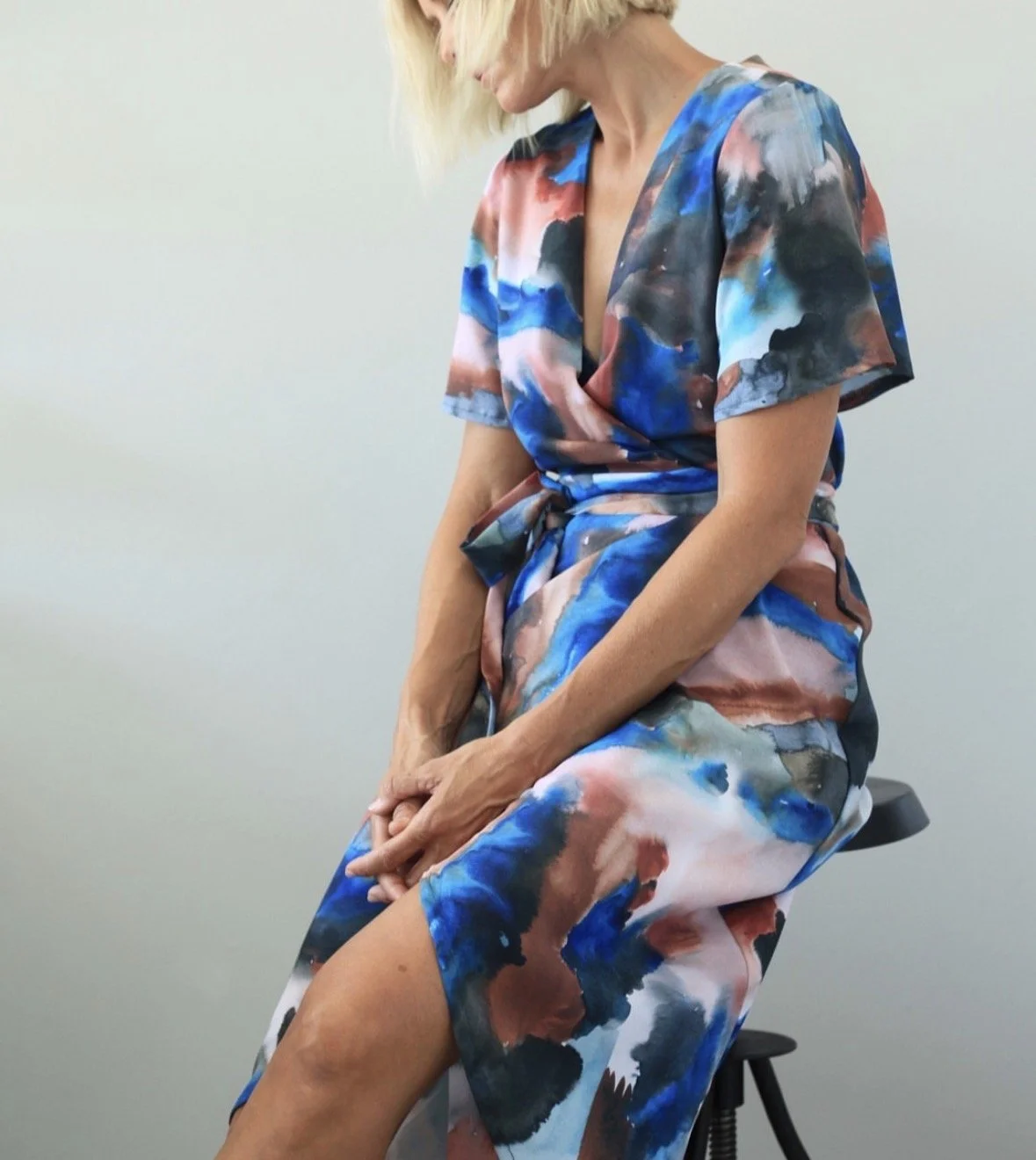
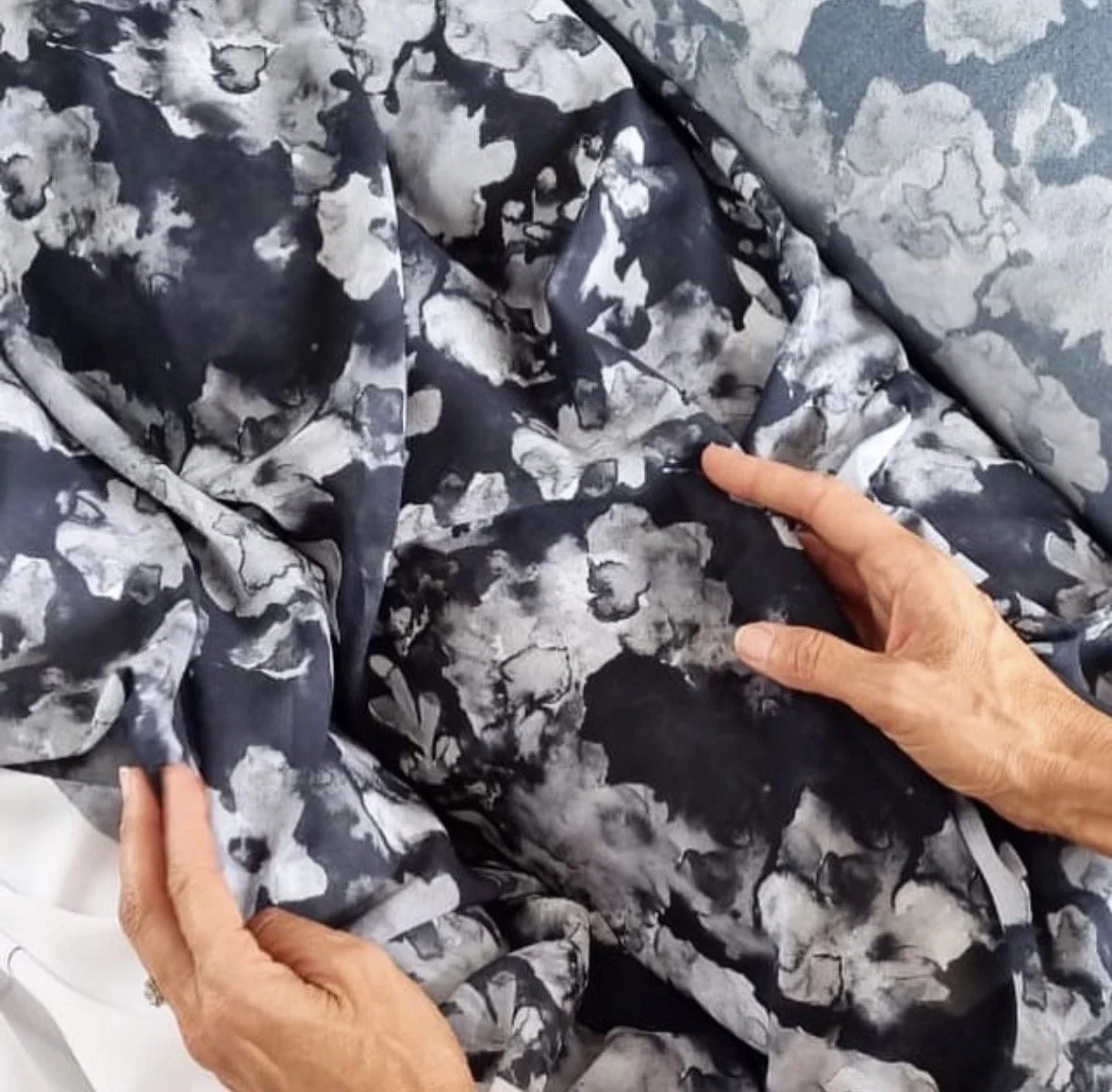
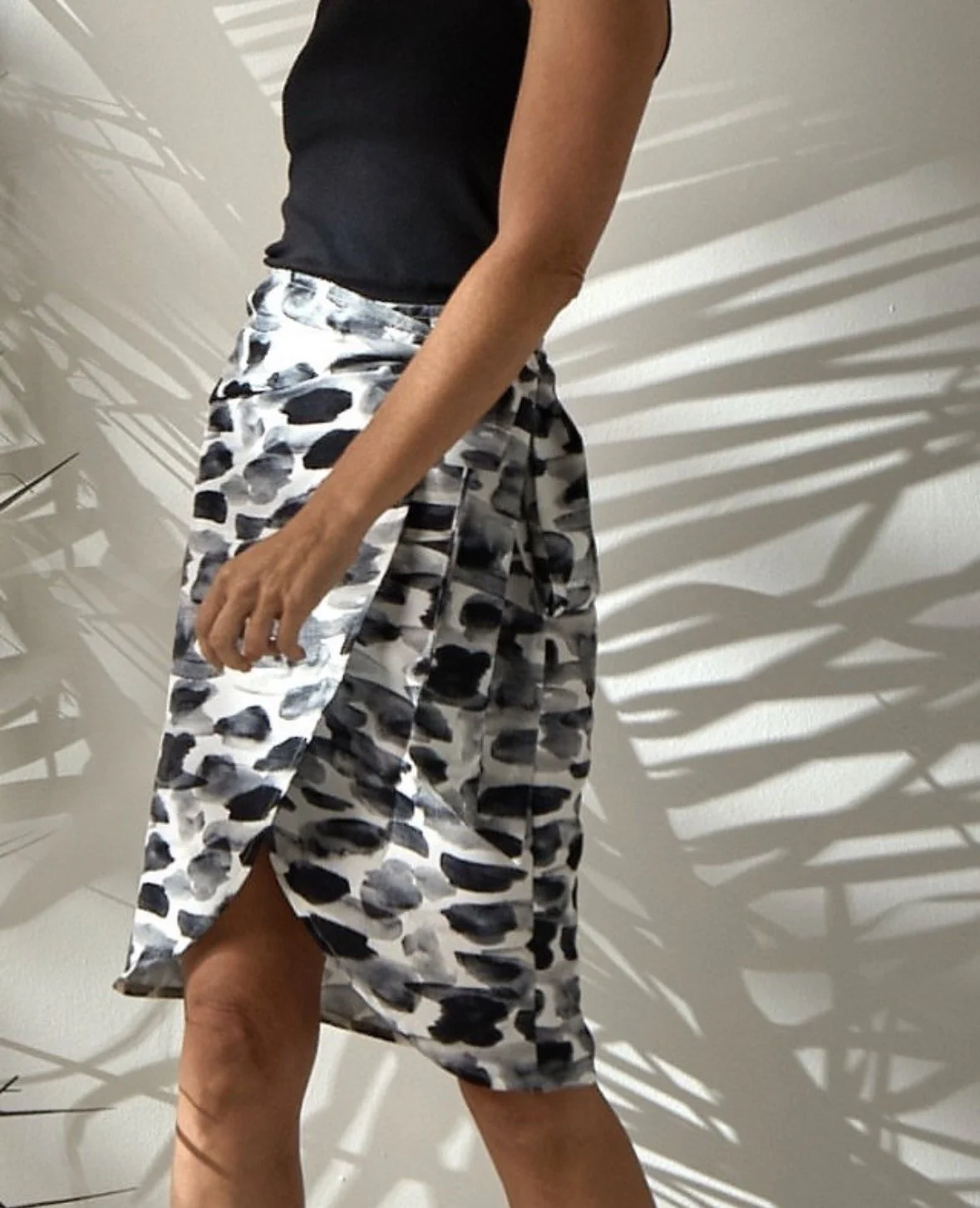
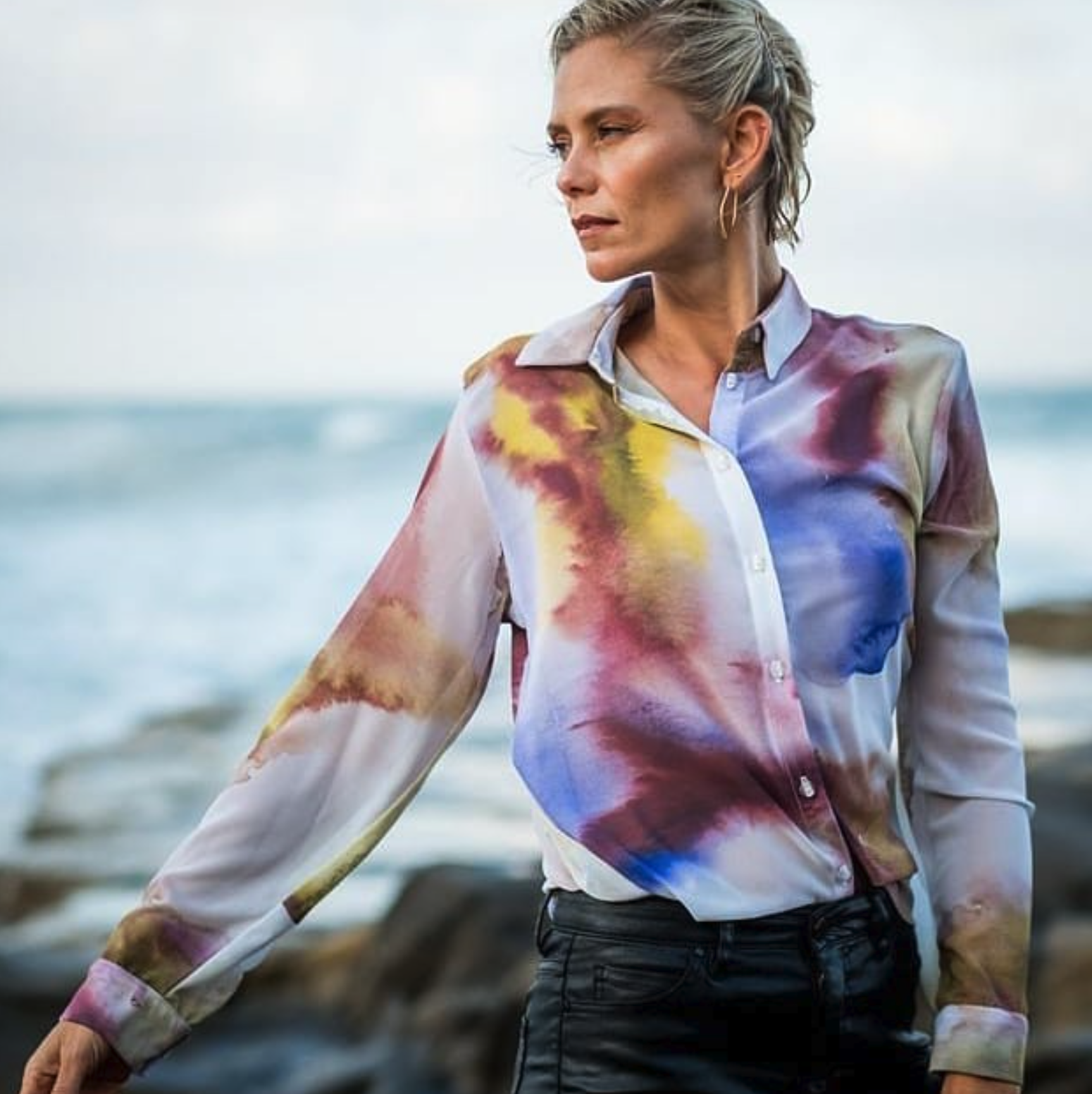
In her wearable art practice, Grace extends this exploration from the canvas into the lived space of the body. Garments become moving surfaces, carrying the same layered sensibility that defines her paintings and installations. Textiles are treated as sculptural planes where pigment, texture, and form interact with movement and light. The body becomes both site and participant in the work’s unfolding.
Rather than following seasonal trends or fashion conventions, Grace approaches wearable art as an extension of spatial composition. Each piece is conceived as a tactile environment, an intimate architecture of fabric, surface, and gesture that evolves through wear.
Across her practice, whether working with rooms, photographs, canvases, or garments, Grace investigates the quiet relationship between material and emotion. Her work proposes a slower visual language, one that values subtlety over spectacle and depth over decoration.
In an era saturated with visual noise, Adele Grace invites a different form of attention: a contemplative encounter with texture, presence, and the quiet poetry of material in motion.